Guard Your Rights With a Leading Wrongful Eviction Attorney
Maneuvering through the obstacles of illegal removal can be discouraging. Many individuals may not thoroughly grasp their legal protections or the lawful duties of their landlords. A seasoned wrongful eviction attorney can render crucial support and backing in these scenarios. They can break down the nuances of renter rights and landlord responsibilities. Knowing how to find competent legal counsel is indispensable. The following actions could substantially impact one's housing stability and legal standing. What should one reflect on when seeking such representation?
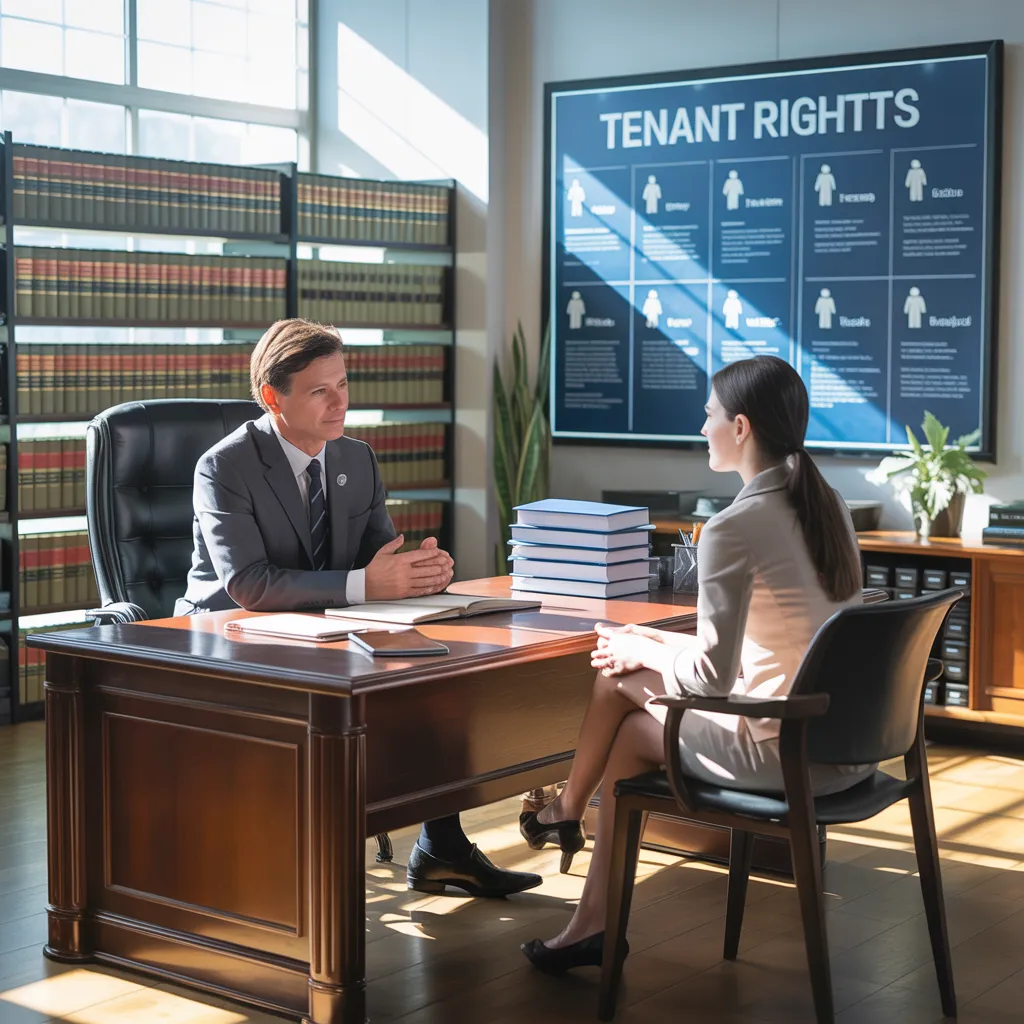
Essential Information You Should Be Aware Of Regarding Unlawful Displacement
What indicates wrongful eviction? Wrongful eviction materializes when a landlord wrongfully removes a tenant from a rental property, transgressing established laws or lease agreements. This can include situations where the landlord disregards proper legal procedures, such as communicating adequate notice or obtaining a court order before eviction. Additionally, wrongful eviction may come from discriminatory practices, harassment, or retaliation against tenants exercising their legal rights.
Tenants may also face wrongful eviction if they are removed without valid reason, particularly in areas that offer protections against such actions. Comprehending tenant protections in your area and landlord obligations is essential for both sides. Legal options exist for tenants who think they have been illegally removed, including submitting grievances or seeking compensation. Hiring a knowledgeable wrongful eviction attorney can assist tenants navigate these challenges and protect their protections effectively.
Symptoms You Could Be Encountering Improper Eviction
Recognizing the signs of potential wrongful eviction can help tenants to take proactive steps to safeguard their rights. One clear warning is receiving a notice to vacate without a valid reason or prior communication. Moreover, if a landlord threatens eviction without adhering to legal procedures, this might indicate wrongful eviction. Tenants should also be vigilant about sudden rent hikes, especially when combined with eviction threats, since this could serve as an intimidation tactic.
An indicator is if the landlord neglects to maintain the property, thereby establishing an unsafe living environment, which can result in retaliation against tenants who complain. Moreover, sudden changes in lease terms or refusal to renew a lease without justification can also indicate wrongful eviction. Recognizing these signs is vital for tenants to safeguard their housing stability and seek appropriate legal counsel if needed.
The Way a Leading Attorney Can Aid You With Wrongful Eviction
A distinguished attorney offers invaluable specialized knowledge to cases of unlawful eviction, ensuring that tenants realize their rights. They skillfully navigate complicated legal codes that regularly complicate eviction processes, providing clarity and guidance. By building solid defense frameworks, these authorities can effectively champion for their clients and seek equitable resolution.
Professional Legal Abilities Count The Most
While addressing the obstacles of a wrongful eviction can be tough, the skill of a top counsel can significantly affect the outcome. Experienced attorneys possess a range of expertise regarding renter rights and owner responsibilities, ensuring that clients understand their legal position. They can assess case particulars, spot potential infractions, and construct persuasive arguments to support the tenant's case. Moreover, a veteran attorney is proficient at negotiating with landlords or their agents, frequently reaching favorable settlements without the need for extended court battles. In court, their experience can be invaluable, as they understand how to present evidence persuasively and refute opposing arguments. Ultimately, having a top wrongful eviction attorney can be the deciding factor between a successful resolution and prolonged distress.
Understanding Complicated Regulations
Navigating the complex landscape of housing regulations can burden many tenants encountering wrongful eviction. These regulations, often complex and intricate, differ significantly by jurisdiction, making it challenging for individuals to comprehend their rights and obligations. A top wrongful eviction attorney possesses the expertise needed to interpret these laws effectively. They can detect violations that may have occurred during the eviction process, ensuring that tenants are aware of their legal standing. Additionally, an experienced attorney can guide tenants through the necessary documentation and procedures required to contest an eviction. This support not only empowers tenants but also enhances their chances of a positive result in their legal battles, providing essential protection against unjust housing practices.
Creating Strong Law Plans
Building strong legal strategies is essential for renters dealing with wrongful eviction, and a experienced attorney plays a vital part in this matter. A knowledgeable attorney assesses the specifics of the situation, pinpointing any violations of renter protections or violations of rental agreements. They collect documentation, such as lease documents and correspondence files, to build a compelling argument. Additionally, a lawyer can effectively navigate local laws and regulations, ensuring that all legal protocols are followed. They also offer advocacy in settlement discussions or litigation, championing the tenant's interests. By crafting a customized legal approach, the attorney improves the chances of a positive result, ultimately protecting the tenant's rights and securing their housing stability.
Understanding the Wrongful Eviction Legal Procedure
The wrongful eviction legal process demands understanding the specific legal reasons that can warrant eviction and the process steps that must be followed. Renters confronting eviction need to be aware of their protections and the legal safeguards accessible to them. Maneuvering through this procedure effectively demands knowledge of both the regulations controlling eviction and the required actions to challenge an unlawful removal.
Lawful Basis for Eviction
Although eviction can be a essential step for landlords, understanding the grounds for wrongful eviction is crucial for both tenants and property owners. Wrongful eviction typically occurs when a landlord attempts to remove a tenant without correct legal justification. Common legal grounds for eviction include nonpayment of rent, violation of lease terms, or engaging in illegal activities on the premises. However, landlords must follow particular legal procedures to terminate a lease, such as providing sufficient notice. Evictions based on discrimination or retaliation against tenants for exercising their rights also represent wrongful eviction. Awareness of these legal grounds helps protect tenants' rights and guarantees landlords adhere to lawful practices during the eviction process.
Steps in the Workflow
Navigating the unlawful eviction legal process requires multiple critical steps that both renters and property owners must understand. Initially, tenants should document all relevant correspondence and lease agreements, establishing a clear sequence of events. They may then submit a claim in the proper court, describing the grounds for challenging the eviction. Subsequently, both parties will participate in a court proceeding where evidence and testimonies are presented. After the ruling, if the tenant succeeds, they may pursue compensation for expenses sustained. Conversely, landlords can appeal if they think the decision was unjust. Throughout this process, engaging a experienced wrongful eviction attorney can provide essential advice, guaranteeing that rights are safeguarded and legal obligations are met successfully.
Elements for Picking the Top Wrongful Eviction Attorney
How might one identify the most suitable wrongful eviction attorney? First, potential clients must consider the attorney's track record and specialization in landlord-tenant law. A proven track record in handling wrongful eviction cases can indicate a deeper understanding of relevant laws and procedures.
Next, requesting recommendations or reading client reviews can provide insights into the attorney's reputation and success rate. Speaking abilities are also crucial; the attorney should be approachable, attentive, and able to clarify complex legal concepts clearly.
Additionally, assessing the attorney's fee structure ensures that services are affordable and transparent. A qualified attorney should offer a clear outline of expenses and likely results.
Finally, an initial consultation can help assess mutual understanding and confidence, which are vital for a cooperative legal partnership. By evaluating these factors, individuals can take educated steps when choosing the most suitable wrongful eviction lawyer for their requirements.
Why Taking Swift Action Matters in Wrongful Eviction
Moving quickly in illegal eviction cases is indispensable for protecting your legal rights and reaching a positive outcome. Waiting to take action can lead to the disappearance of vital evidence and eyewitness important information testimony, which are essential for developing a strong legal case. Moreover, legal timeframes, such as limitation periods, may restrict your window to file your case.
An person should reach out to a lawyer experienced in wrongful eviction as soon as possible to maximize their available options, which include negotiations or pursuing an injunction to prevent the removal proceedings. Swift action also indicates to judicial authorities and landlords that the occupant is resolved to assert their rights.
In addition, immediate involvement with experienced attorneys affords a strong comprehension of local landlord-tenant laws, which can significantly shape the case's trajectory. To conclude, taking immediate action not only maximizes the chances of a favorable resolution but also guarantees the tenant's legal rights throughout the eviction process.
Often Posed Questions
What Constitute the Ordinary Sources of Improper Eviction Lawsuits?
Wrongful eviction cases stem from numerous issues such as inadequate notice, retaliatory landlord behavior, prejudicial conduct, ignoring legal requirements, and lease-term evictions without legitimate reasons, all of which weaken renter protections and rights.
Can one pursue legal action my lessor for emotional distress in the aftermath of being evicted?
Yes, an person may bring a lawsuit against their landlord for psychological anguish after removal. However, substantiating emotional distress requires robust proof, demonstrating that the landlord's behavior were negligent or intentional and directly caused profound emotional injury.
What Deadline Applies to Submitting a Illegal Eviction Claim?
Generally, individuals have between one to three years to lodge a wrongful eviction claim, based on state laws. Prompt action is advisable to ensure the safeguarding of rights and potential compensation of damages.
What Proof Do I Have to Provide to Back Up My Unlawful Eviction Case?
To establish a wrongful eviction case, one needs evidence such as lease agreements, payment records, eviction papers, correspondence with landlords, property photos, and testimonial evidence detailing the eviction circumstances and any pertinent communications.
Will I Need to Go to Court for a Illegal Eviction Claim?
Ordinarily, pursuing a wrongful eviction action may require court participation, as legal processes often facilitate the settlement of conflicts. However, some cases may settle outside the courtroom through negotiation or arbitration, based on circumstances.